


Restaurant and Bar Security Cameras in Irvine: A Practical Planning Guide
What makes a camera plan useful for an Irvine restaurant or bar? It has less to do with camera count than with how the venue runs. A busy dining room, a bar, a kitchen pass, and a closing routine all create different coverage needs. Choosing restaurant and bar security cameras Irvine operators can rely on means planning around those workflows while keeping privacy in view.
It’s understandable to wonder whether cameras will capture the detail you need during a dinner rush or after closing. Comparing image quality, analytics, recording, and integration can also get confusing when specifications don’t explain how a system will work in your venue. This guide shows how to plan coverage around hospitality operations, compare system capabilities against real review needs, and consider where cameras can work alongside alarms and access control.
You’ll also learn how thoughtful placement can cover key areas without extending into private spaces. Digital-Vision.AI provides security assessments, system design, installation, integration, and ongoing support for Irvine businesses. A plan shaped around your venue can help you take a confident next step toward dependable video surveillance.
Table of Contents
Why restaurant and bar security cameras in Irvine need operation-led coverage
How to plan restaurant and bar camera placement around Irvine venue workflows
How to compare restaurant and bar security camera systems beyond resolution
How to prepare an Irvine restaurant or bar for professional camera installation
How Digital-Vision.AI designs restaurant and bar security cameras in Irvine
Why restaurant and bar security cameras in Irvine need operation-led coverage
Which areas need visibility during service, and which matter after closing? The answer depends on how people, deliveries, cash, and staff move through your venue. A camera aimed at a busy entrance may help clarify who entered, while a view of a delivery access point may help establish when a handoff occurred. Footage cannot guarantee prevention, but a well-planned system can support incident review, operational awareness, and coordinated security.
Operation-led camera coverage places views around the activities a venue needs to understand, while accounting for sightlines, lighting, and privacy.
That approach matters in Irvine, where a restaurant may share a commercial property, operate a patio, or receive deliveries through an access route used by other tenants. A camera overlooking a storefront should capture the relevant approach without unnecessarily including neighboring areas. Patio furniture, changing daylight, reflective surfaces, and temporary service setups can also affect what a camera sees. Assess these conditions during real operating periods, not just on a floor plan.
Which restaurant and bar areas may need camera coverage?
Start with the venue’s priorities, then identify views that could help answer likely review questions. Public entrances, host stands, dining areas, and bars may help clarify guest flow or the sequence of an incident. Delivery doors, storage access, cash-handling workflows, and transitions between public and staff-only areas may also warrant consideration, depending on the site’s needs.
There’s no universal camera count. A host stand with an unobstructed view differs from a narrow corridor blocked by shelving. A patio may need a different perspective from a well-lit dining room. Map the activity, check what each proposed view captures, and consider how lighting and furnishings change throughout the day. The goal is useful context, not simply more cameras.
How do cameras fit into daily hospitality operations?
Recorded footage can help an operator review a reported incident, verify activity at an entrance, or understand whether an established handoff procedure was followed. It can also support coordination with alarms or access control when those systems are part of the venue’s security plan. Set a clear purpose for each camera and limit routine review to those purposes. Security coverage should not become an open-ended substitute for managing or evaluating employee performance.
Privacy deserves equal attention. California Labor Code § 435 prohibits installing video or audio recording devices in restrooms, locker rooms, or rooms designated for changing clothes. California Penal Code § 632 also restricts recording confidential conversations without consent from all parties, so audio capture requires particular care. Provide employees with written notice about camera use and locations, and consider clear entrance signage as a transparency measure. For a specific placement or recording question, obtain qualified legal guidance. A considered plan helps operators use footage responsibly and keep the system aligned with the venue’s needs.
How to plan restaurant and bar camera placement around Irvine venue workflows
A useful layout begins with movement, not equipment. Trace how guests arrive, how staff move between service areas, where deliveries are received, and how the venue is accessed after closing. For restaurant and bar security cameras Irvine operators are planning, this makes it easier to identify views that support specific review needs instead of covering space without a clear purpose.
Useful camera placement depends on the venue’s layout, lighting, and the activity being observed. An indoor dining room, an open patio, and a shared commercial entrance each present different sightlines and environmental conditions. A camera aimed toward a parking approach, for example, may need to capture the relevant route while respecting property boundaries and avoiding unnecessary views of neighboring tenants.
How should operators map entrances, service areas, and customer zones?
Use an annotated floor plan to show customer, staff, delivery, and after-hours movement. Mark priority activity zones, then distinguish between an overview that establishes context and a closer view that may help clarify a particular interaction. Note where shelving, partitions, seasonal patio furnishings, or changes to the service setup could interrupt sightlines.
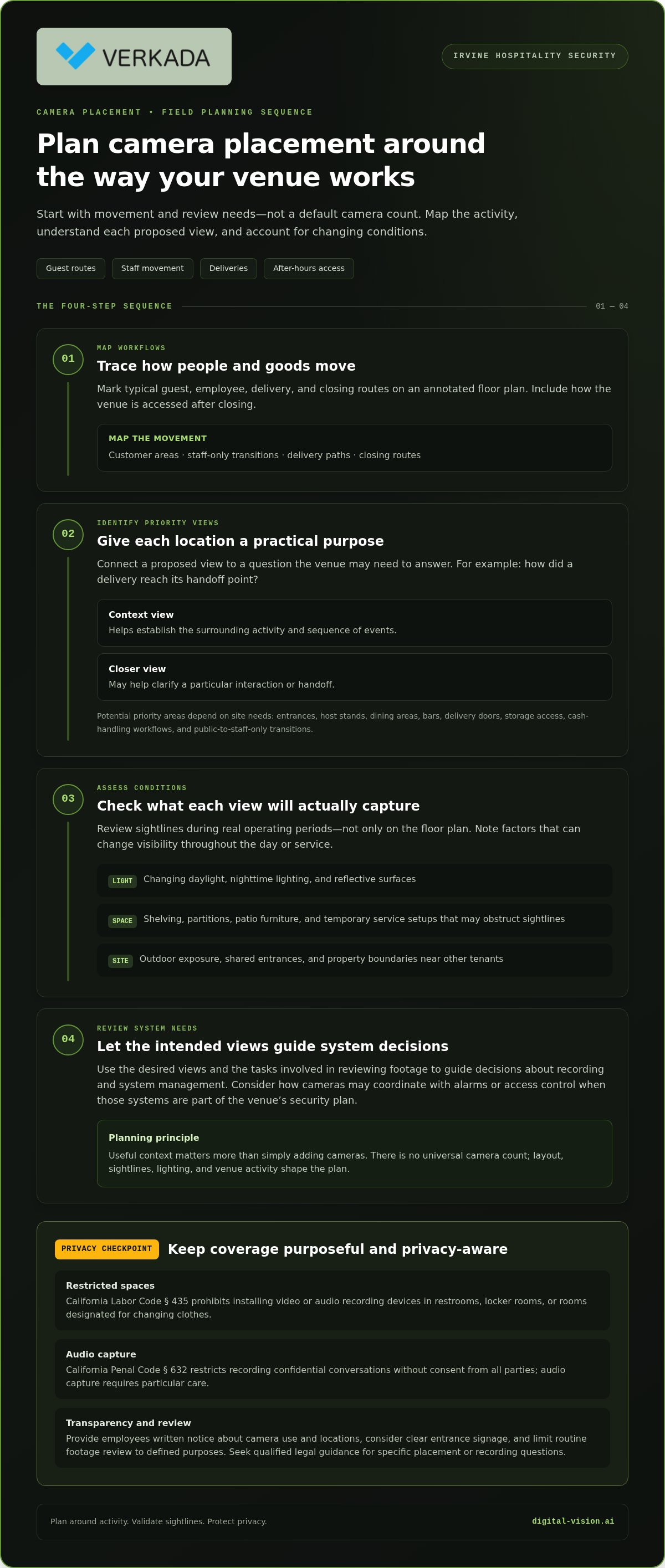
Follow a simple planning sequence:
Map workflows: Trace typical guest, employee, delivery, and closing routes through the venue.
Identify priority views: Connect each location to a practical question, such as how a delivery reached its handoff point.
Assess conditions: Record changing daylight, nighttime lighting, reflective surfaces, outdoor exposure, and potential obstructions.
Review system needs: Use the desired views and review tasks to guide decisions about recording and system management.
This sequence can reveal coverage gaps between zones. A shared-site entrance may need a view of the restaurant’s approach, while a patio may call for an angle that accounts for guest movement and outdoor conditions. Society Insurance’s Restaurant Security Tips also addresses related practices such as lighting, key control, and employee protocols, which can inform the wider security plan.
How can camera placement balance visibility and privacy?
Define a legitimate security purpose for each proposed view and keep the field of view focused on relevant areas. Avoid private spaces: California Labor Code § 435 prohibits video or audio recording devices in restrooms, locker rooms, and rooms designated for changing clothes. Camera placement should also align with workplace policies and applicable California requirements.
Audio and employee-monitoring decisions deserve separate care. California Penal Code § 632 restricts recording confidential conversations without consent from all parties, so legal review can help clarify how audio features should be handled. Keep surveillance purposes clear and communicate camera use to employees. A professional assessment can turn the annotated workflow map into a coordinated coverage design. Request a security assessment to discuss your venue’s priorities.
How to compare restaurant and bar security camera systems beyond resolution
A high-resolution image can still be unhelpful if the camera faces the wrong direction, lighting obscures activity, or recorded footage is difficult to retrieve. Compare each capability against a real review task: understanding movement through a doorway, checking an incident near a transaction area, or reviewing an alarm event. For restaurant and bar security cameras Irvine operators are comparing, the strongest fit is the system that makes those tasks practical, not simply the one with the largest specification numbers.
Assess the complete chain: what the camera can see, how conditions affect the view, how footage is stored and accessed, and how the system helps staff find relevant events. The Nightclub & Bar Security Checklist also treats surveillance as part of broader venue security, a useful perspective when considering system management alongside day-to-day procedures.
Which camera and recording capabilities matter in hospitality settings?
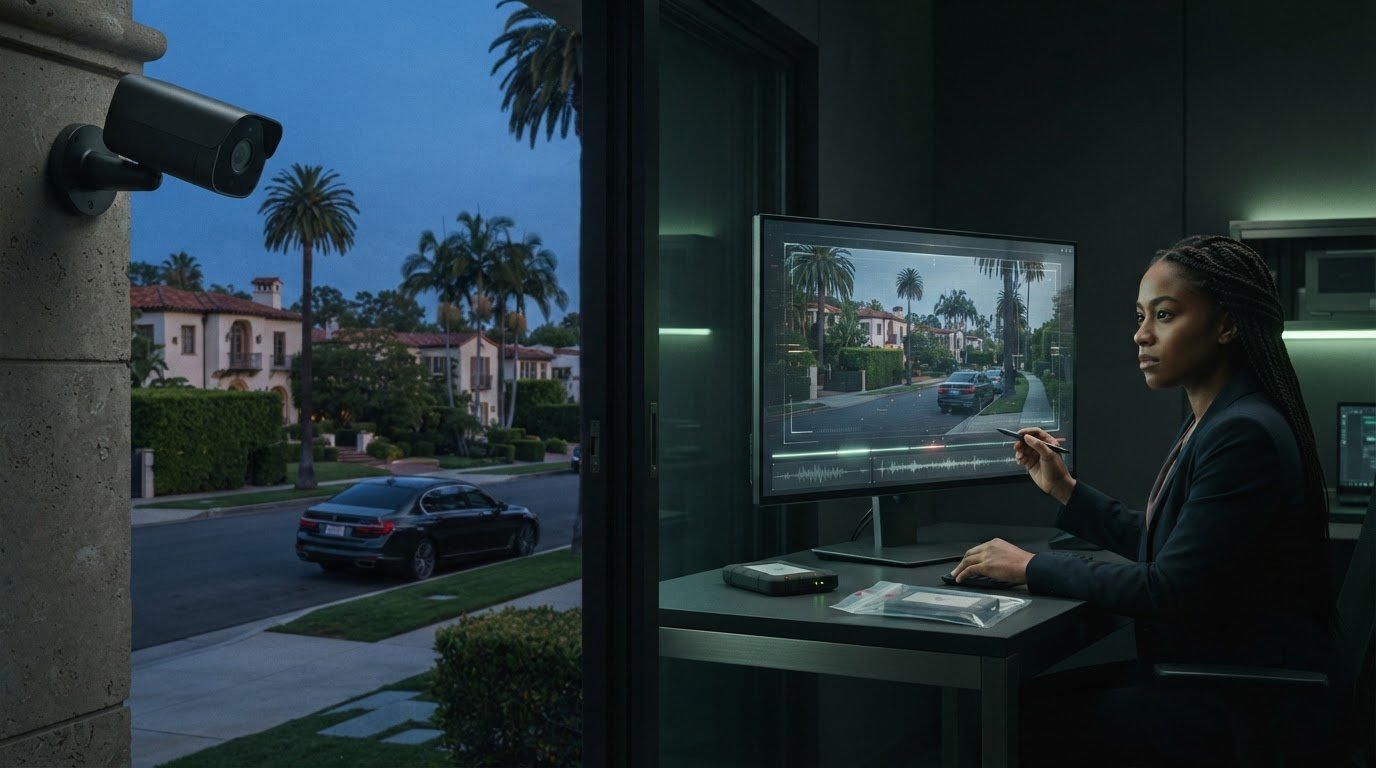
Separate image clarity from field of view and low-light performance. A wide view may show the layout of a room, while a more focused view may better support a specific incident review. Consider whether the image remains useful in changing light or after closing, then assess how quickly authorized users can locate and review recorded footage.
Intelligent analytics may help organize alerts or narrow a video search, but their value depends on the venue’s needs and configuration. Specify recording retention as a project requirement, shaped by operational use and the business’s policies.
When should video connect with alarms or access control?
Video surveillance records activity, an alarm system signals an event, and access control manages entry permissions. When coordinated, they can provide more context. For example, an after-hours alarm event can direct an authorized reviewer to footage from the relevant area and time. Access control may also be useful at staff-only doors when the venue’s workflow calls for managed entry. Related planning considerations are covered in this commercial alarm system installation guide.
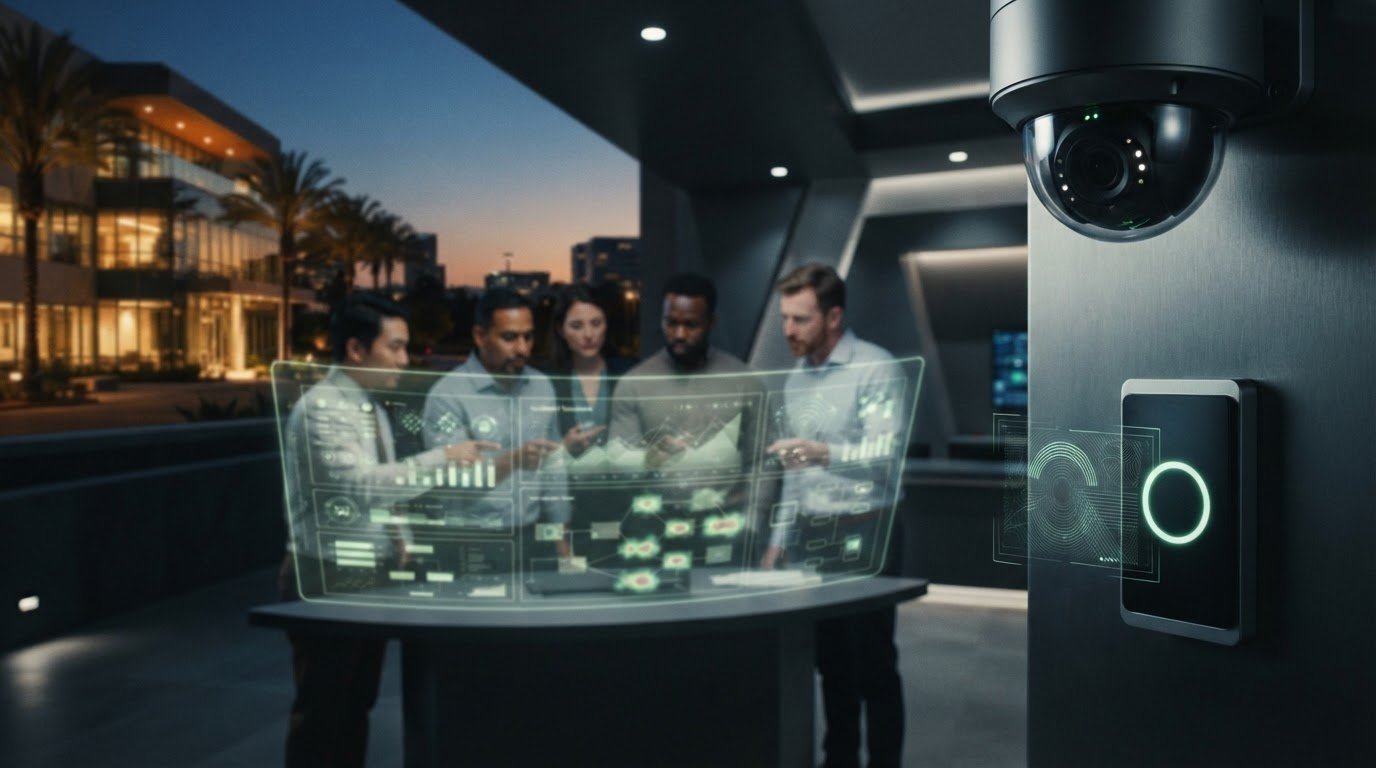
Integration should serve a clear operational purpose, not add complexity for its own sake. Compare how system components work together, who needs access to recorded video, and how ongoing management will fit the venue’s procedures. An assessment-led design can align those decisions with restaurant or bar priorities.
How to prepare an Irvine restaurant or bar for professional camera installation
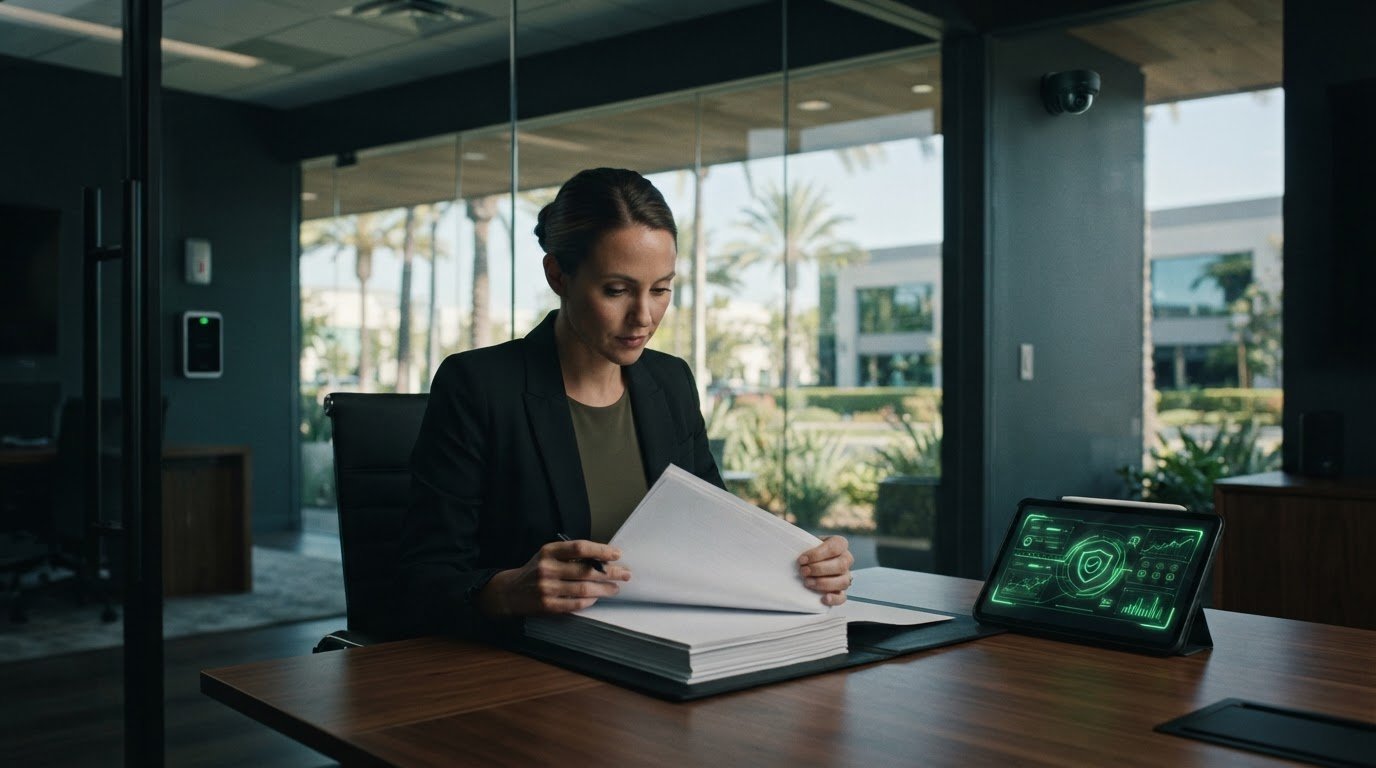
A focused assessment starts with the way the venue actually operates. For restaurant and bar security cameras Irvine operators are planning, clear information about schedules, access routes, and existing equipment helps shape a site-specific design. Preparation doesn’t mean choosing camera locations or handling installation yourself. It means giving the security professional enough context to make the assessment useful.
What information helps define the project scope?
Gather what the venue already knows, even if some details vary by shift. An available floor plan is useful, but a marked-up sketch can also highlight entrances, delivery routes, staff-only areas, and equipment locations.
Before the assessment, document:
Operating patterns: Opening and closing routines, delivery schedules, and relevant changes between service periods.
Review priorities: The types of incidents or activities the venue may need to review, such as a delivery handoff or an after-hours access event.
Existing security equipment: Current cameras, alarms, access-controlled doors, and any known limitations in how they work together.
System users: Which roles need access to live or recorded video, and how access responsibilities are managed across shifts.
Site considerations: Areas with changing light, outdoor exposure, difficult mounting conditions, or network pathways that may affect installation planning.
These notes help distinguish a must-have view from a nice-to-have feature. They also give the design team context for planning around daily service, so installation decisions account for how the space is used and how work needs to continue.
What should operators expect during design and installation?
A professional project typically moves from a site assessment to a tailored system design, hardware installation, configuration, and an operational handoff. The plan should respond to the venue’s priorities and physical conditions, including mounting surfaces, cable or network routes, lighting, and the need to coordinate work with restaurant operations. The sequence and scope depend on the project.
System planning can also consider how cameras relate to alarms and access control, rather than treating each component as a separate decision. For a broader perspective on coordinated design, the unified security ecosystem installation guide discusses planning connected security systems.
Before handoff, identify who will use the system and what they need to know: how to access relevant footage, follow established permissions, and handle routine system questions. Staff orientation and ongoing support help make the installed system more usable in daily operations. Digital-Vision.AI provides security assessments and designs commercial surveillance systems around venue priorities. Schedule a security assessment to begin planning for your restaurant or bar.
How Digital-Vision.AI designs restaurant and bar security cameras in Irvine
A restaurant’s security priorities are shaped by more than its floor plan. Service routines, access points, existing equipment, and the way staff use each area all influence which system will be useful. Digital-Vision.AI takes an assessment-led approach to restaurant and bar security cameras Irvine venues can tailor to their operational priorities, then uses those findings to guide system design and installation.
What does a tailored hospitality security assessment address?
The assessment considers how the venue operates and what its security systems need to support. That means reviewing the layout, opening and closing routines, existing cameras or other security components, and the areas operators prioritize for coverage. The goal is to translate those details into a practical design, not apply a standard camera layout to every restaurant or bar.
Findings help clarify the project scope and how video surveillance may work alongside alarms and access control. For example, where a venue uses controlled staff entrances, the design can consider whether coordinating door access and relevant camera views would help staff review activity. Commercial cameras with intelligent analytics can also be considered in relation to specific operational needs, without assuming analytics will identify every event or replace staff judgment.
How does integrated support help keep the system useful?
A coordinated design can make system components easier to understand as part of the venue’s security workflow. Video, alarms, and access control each have distinct functions. Integration can help bring relevant information together for review where appropriate. Digital-Vision.AI also provides maintenance, technical support, and consulting to help businesses manage their systems over time.
Ongoing care matters because a system’s usefulness depends on more than its initial installation. Staff roles and venue routines may change, and operators need a clear understanding of how to use the system and where to turn for technical support. The security camera maintenance guide offers further context on ongoing system care.
With a tailored assessment, the next steps are clearer: define the venue’s priorities, align system design to the site, and plan for operation and support. Digital-Vision.AI serves Irvine businesses with commercial security assessments and system design. Request a free security assessment for your Irvine restaurant or bar.
Set your venue up for confident security decisions
A camera system becomes more useful when the people responsible for it understand how it fits into daily operations. Before moving ahead, consider who will review footage, how staff should handle a security event, and when to revisit the coverage plan as service routines or the venue layout change. Clear responsibilities help make restaurant and bar security cameras Irvine operators select a practical part of an ongoing security plan.
Digital-Vision.AI can help translate your venue’s priorities into a considered plan through a free security assessment for commercial properties. Services include commercial video surveillance design and installation, coordinated alarm and access-control systems, integration, maintenance, technical support, and consulting. The focus is on aligning the solution with your operation.
Request a free security assessment for your Irvine restaurant or bar and take the next step with a clearer view of your security needs. A well-planned system can support greater confidence as your venue serves guests and evolves.
Frequently Asked Questions
How many security cameras does a restaurant or bar in Irvine need?
There’s no fixed camera count that suits every restaurant or bar. The number depends on the views needed, the venue’s layout, and whether one camera can cover an area clearly without obstructions. For example, a compact café with one public entrance differs from a bar with several access points and separate service areas. An assessment can identify priority views and help define a suitable scope for restaurant and bar security cameras Irvine businesses are considering.
Can restaurant security cameras record audio in California?
Audio recording can create legal risks in California. Penal Code § 632 restricts recording confidential communications without the consent of all parties, so a camera that captures conversations may raise issues even if its video view is appropriate. Many businesses choose to disable audio recording on security cameras and use video for security purposes instead. Because details depend on the situation, seek qualified legal guidance before enabling audio or setting an audio-recording policy.
Can security cameras work outdoors at an Irvine restaurant or bar?
Yes, cameras can be planned for outdoor areas such as patios, entrances, and approaches, provided the equipment and installation suit the site’s exposure. Sunlight shifts, nighttime lighting, glare, and weather can affect the usefulness of a view. For example, a patio camera may need an angle that captures guest movement without pointing into neighboring spaces. A professional design can account for outdoor conditions and the venue’s coverage priorities.
Do restaurant security cameras need to connect to an alarm system?
No, cameras can operate as a video surveillance system without being connected to an alarm. Integration may be useful if an operator wants to review footage around an alarm event, such as an alert triggered near a rear entrance after closing. The decision depends on how the venue manages security events and who reviews them. A coordinated design can connect systems where that relationship adds practical context to the operator’s response process.
How long should a restaurant keep security camera footage?
There isn’t one retention period that fits every restaurant. Set a retention policy based on operational needs, the time it may take to discover an incident, available storage, and the business’s privacy practices. A restaurant that needs footage for routine short-term review may have different requirements from one with a longer internal review process. Define who can access recordings and when footage should be deleted, and get legal advice if your circumstances require it.
How much does restaurant and bar security camera installation in Irvine cost?
Installation cost depends on the project’s scope, so a useful estimate requires understanding the venue and its requirements. Factors may include the number and type of views, mounting conditions, cabling or network pathways, recording needs, and whether alarms or access control are part of the design. Digital-Vision.AI offers free security assessments for commercial properties. An assessment can help clarify the system scope for your Irvine restaurant or bar before planning installation.
Can security cameras integrate with access control for a restaurant?
Yes, video surveillance can be integrated with access control where it supports the venue’s workflow. For example, if a staff-only door uses controlled entry, a coordinated system may help an authorized manager review relevant camera footage alongside an access event. Cameras and access control still serve different functions: one records video, while the other manages entry permissions. The design should reflect staff roles, door use, and the information managers need during a review.
Comments